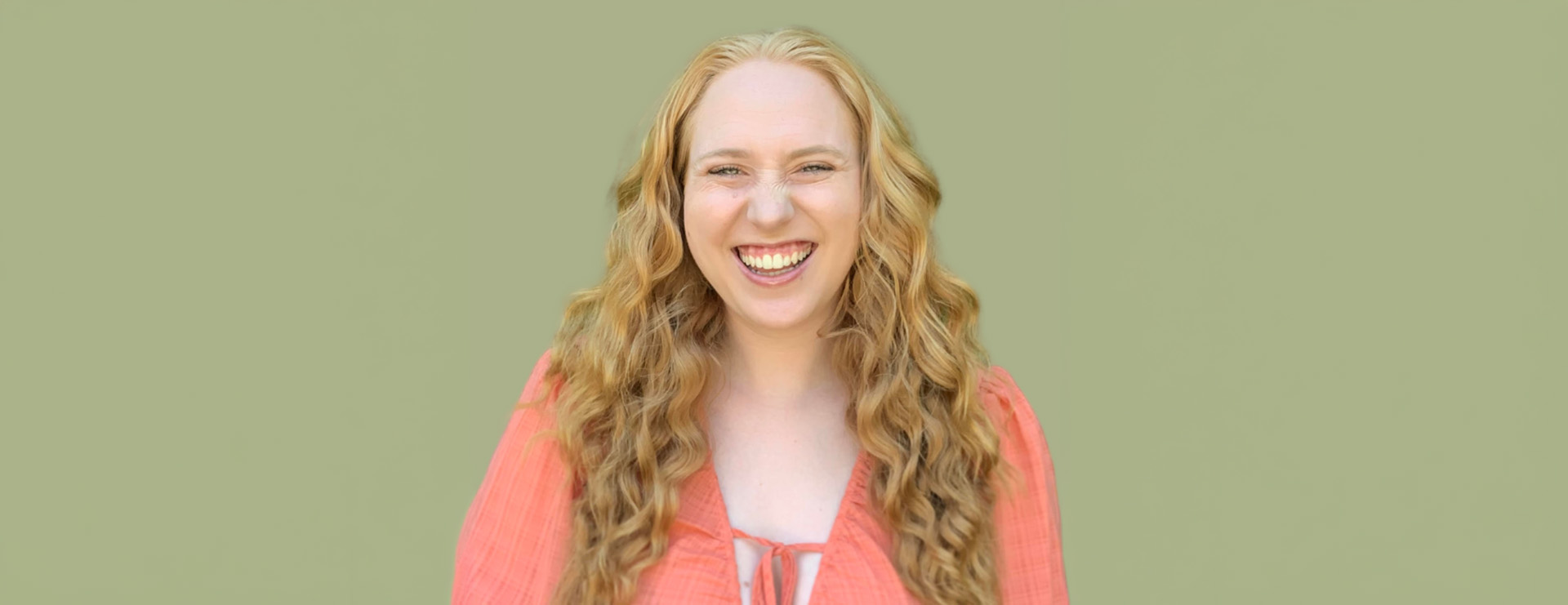
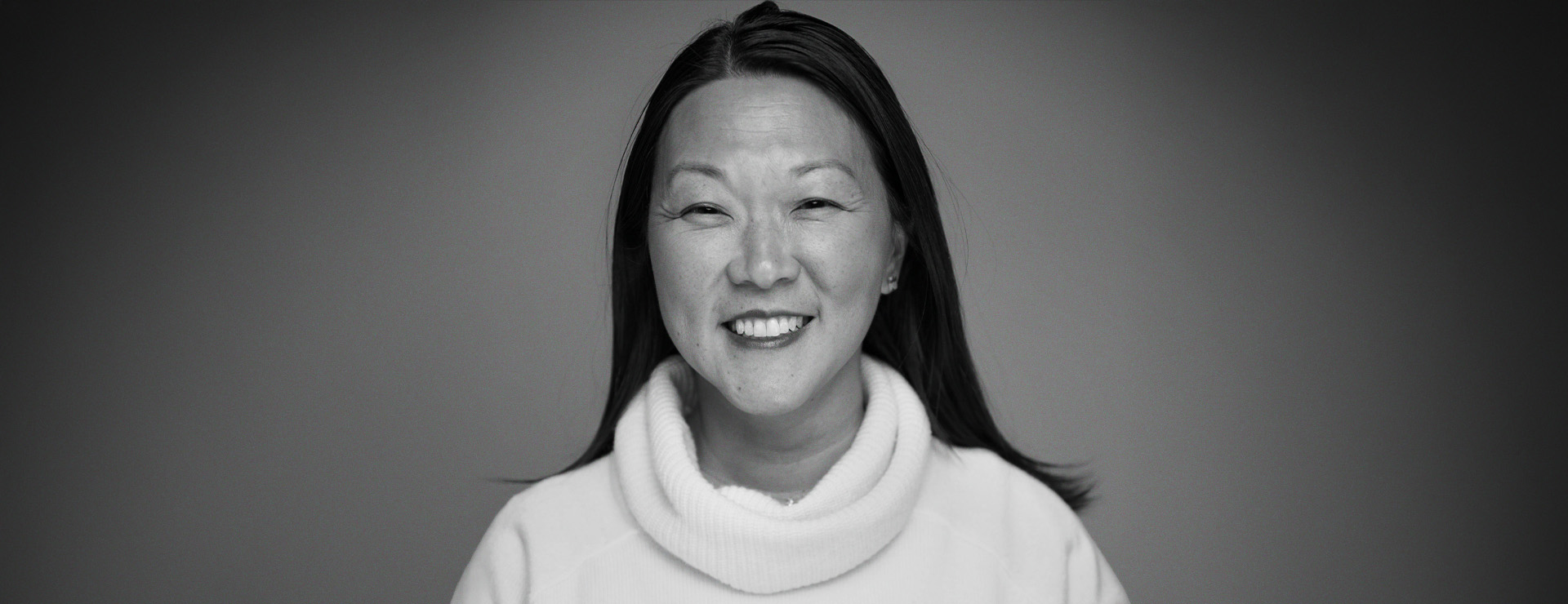
Michele Fino has been at the forefront of branded entertainment for nearly all of her career, including nine as vice president of branded content at Fremantlemedia, which included many, many hours of looking at Coca-Cola-branded cups on the American Idol judges’ table.
Over the years, she’s figured out how to tell stories about brands that stick with people, not just parading product in front of them. While consulting for Advance Auto Parts, she worked on a road-trip show that kept viewers compelled while including the brand at crucial points because, shockingly, the drivers needed auto parts on their road trip. And for Blood Cancer United, formerly the Leukemia and Lymphoma Society, she realized that connection through storytelling, not clicks, was the true goal.
Now at New York City-based creative company Versus, Fino will get to tap all of her experience in pursuit of the coolest creative that tells the most resonant stories. She joined Spotlight to chat about the state of branded content in today’s diverse media ecosystem.
Spotlight: How would you say all of your interesting and varied past experiences have come together for you in your new role at Versus?
Michele Fino, head of content partnerships, Versus: I would say that I go where the best opportunities are. I’m a recovering CMO and I’ve worked at various production companies, and I've also worked on the network side. I've actually never worked at an agency before.
I know how to negotiate branded entertainment or branded content deals from pretty much all angles, whether it's talent or music or production or media releases. On the brand side, it’s going inside and having to fight for the budget, what department the money will come from, what KPI the campaign aligns with, what seasonality it goes with, which agency to work with, et cetera. On the network side, I’ve had to learn how to fight with programming and creative and media teams, because they all have their own priorities. There's so many different moving parts in the wonderful world of branded entertainment.
Spotlight: I think of what you do – branded content and storytelling – as a sort of relatively new career, yet you’ve been doing this for almost three decades. How do you describe what you do when people ask? How would you say the different things that you were doing all came together?
Fino: My boss at the time, I think it was 2011, told me I was getting promoted. He said, ‘you’re now the VP of sponsorship, integrated marketing, live events, digital and online content,’ or something like that. I was like ‘that doesn’t even fit on a British size business card, let alone a regular-sized business card so how about I just be the VP of branded entertainment?’ He was like, ‘what’s that?’ And I said, ‘all the stuff that you just said. I read it in Variety so let’s just go with it.’
Spotlight: How do you explain to people what branded entertainment is? Because I feel like I know what it is but when you were describing the negotiating you have to do and the teams you have to work with, I wasn’t thinking about any of those aspects of it.
Fino: I think people think about branded entertainment mostly as TV shows or documentaries. People also think about it as content that a brand or an advertiser pays for.
For me, it could be a TV show or a documentary, but it could also be a concert, a comic book, or a takeover experience of Grand Central or the South Street Seaport. Entertainment is now ubiquitous. It could be an experience that a specific consumer population is going to enjoy. The hope is that somehow we’re able to capture and measure it and that it ladders back into some brand KPI. But at the end of the day, it's a new creative, branded extension of a product on a shelf. It’s an experience that’s fun, dramatic, sad, whatever emotion that experience is supposed to elicit.
Spotlight: Is what you’re doing at Versus always tied to entertainment? Or could you do branded content or branded experiences for any brand, regardless of whether it’s tied to a doc, or a show or a movie?
Fino: That's the great creative muscle I get to flex at Versus. So many other creative companies are so rigid about using their own IP, thinking that they must fit nicely in a box on this network or in this format, or they already have a library of 20 docs that they want me to sell or talk about. What's great about Versus is the creative flexibility to come up with literally whatever.
One of the projects we're working on is for the Explorers Club. It's a graphic novel series that might not even ever be on TV. Versus is also responsible for the takeover of Grand Central for Audible’s full-cast version of Harry Potter.
I think of Versus as a place with cool creative chops without guardrails, with no bumpers on our bowling alley.
Spotlight: Where does Versus sit between brands and entertainment?
Fino: Besides having great creative chops, as I just mentioned, Versus is small, nimble, fast and very client-driven and flexible. Versus sits in that space where brands stop interrupting culture and actually start participating in it.
We work with brands, platforms and studios to make things that feel like entertainment first. That could be a campaign. It could be IP we created or IP a brand already owns, or something new we build together. But at the end of the day, we’re not just thinking about deliverables – we’re thinking about the story, who it’s for, and whether anyone actually wants to watch it.
People always use the words ‘nimble’ and ‘flexible,’ which is true of Versus, but what that really means is we can jump in wherever the idea starts. Sometimes a brand has a big idea but doesn’t totally know how to bring it to life. Sometimes a production partner is overloaded and needs help getting something done fast. And sometimes we’re just building something from scratch.
A lot of the job is connecting those dots. Taking what works in entertainment – real storytelling, real audience connection – and applying that to brand work. And then bringing a little more strategy and intention into the entertainment side. Because if you don’t do both, you either end up with something that feels like an ad or something that looks great but doesn’t really do anything.
Spotlight: How do you work with brands to determine who they are trying to reach and the ways that you will reach them?
Fino: You have to get them to tell you what their goal is, what their reason is for taking our phone call or meeting in the first place. Sometimes, you have to pull things out of them. Sometimes they know they want to do something but they haven’t really thought about the business strategy behind that. A lot of marketing is reactive instead of proactive so you need to get them to think ahead.
There was a project I worked on with the social content team when I was consulting at Advance Auto Parts. It seemed pretty simple on paper: give two creators money to drive from Key West, Florida, to Alaska. Instantly, all the marketing people internally were like, are they done? When's the content gonna load? When's it done?
I had to be like ‘serenity now,’ like George Costanza from Seinfeld, and tell them ‘it takes time to drive from Florida to Alaska and then they have to get back to North Carolina and edit hours and hours of footage. Don’t worry; the guys will come back and we’ll let everyone know when the show is going to drop.’
You still hear a lot of, ‘make my logo bigger, slow down when you pan across my product, put my product closer to the camera.’ You’ve got to remind the client to provide more data, analytics and behavioral insights about the consumer, because it's not about making the logo bigger, it's about making the product relevant. Tell me more about who uses this product or who you want to use it, and let us creatively figure out how to integrate that into the story. Let Versus tell that story. Nobody wants to see a freakin’ giant logo.
As younger generations like Gen Z and millennials get older, they can sniff out inauthenticity. If it’s too in your face or too branded, they feel like it’s jumped the shark, so to speak. I remember showing my 16-year-old son a video of a woman who was supposed to be a doctor talking about skin care and the first thing he said was ‘that girl’s clearly paid, she’s not actually a doctor.’ They just know immediately if something isn’t real.
Spotlight: Do you think brands can effectively market right now without some kind of storytelling approach?
Fino: Advertisers think that the most important thing is last-click attribution, which measures the very last thing the consumer happened to see before they click to buy your product. But what drove that last click? How did they even learn that your product existed?
Excellent creative and storytelling drives buzz, conversation and, ultimately, cultural awareness. Great storytelling and excellent creative allows brands to be part of the cultural zeitgeist. That’s what drives outcomes to get consumers to that last click or to the shopping cart.
Spotlight: You mentioned that you worked as a consultant for Advance Auto Parts. It’s so interesting that you worked with those two content creators. I think that’s a genius way to do content marketing for a company like Advance Auto Parts that at first glance doesn’t seem like it would lend itself to that kind of storytelling.
Fino: The story set up is pretty simple: The influencers were both named Ben. They already had a great established YouTube channel called Gears & Gasoline. One Ben bought an old Honda and one bought an old Subaru. They knew they were going to break down several times between Florida and Alaska. And they knew they were going to stop at Advance to buy parts and fix the cars, of course.
There was still a lot of selling internally that had to happen and there are so many different departments within Advance Auto Parts – brake pads, batteries, oil, and so forth. And then there’s the marketing functions: social media, social content, our YouTube relationship, the relationship with each store that they visited on their roadtrip. Just getting the deal done and giving it to the content creators is only half the work. Then all the integrated marketing has to happen.
When the show came out, it was like, ‘okay, team, now I need media money.’ And everybody was like, ‘why?’ And I had to explain that the public was going to see the show on YouTube, and they were like, ‘we want the show to air on our channel, or on our website.’ I had to explain that these guys had a million followers, while we did not. We had to go back and forth on that for a while and I had to explain that of course the show would drive traffic to our channel because they would promote us. They had a built-in audience, which was why we were paying them, not just for the content itself.
Spotlight: What other sort of 360 campaigns have you done?
Fino: When I was at the Leukemia and Lymphoma Society (LLS) – which is now Blood Cancer United – I was like, I bet we have a story to tell that involves more than just asking our constituents for money, because every nonprofit asks everybody for money. What Blood Cancer United has done that’s great is that they have kind of cornered the market on peer-to-peer marketing and fundraising. If you’ve ever run a marathon or know somebody who has run a marathon, they have probably used peer-to-peer marketing to raise money for a cause via their Team in Training initiative with Blood Cancer United.
We also had to give ourselves permission to talk about blood cancer on websites that weren’t just ours. A million-plus people have blood cancer, including my mom, but I had honestly never been to lls.org before working there. Let’s have permission to talk about blood cancer in other content, other mediums, besides just our own website. The team’s success was being measured solely on the increase in unique visits to their website even though their messaging was showing up across many other platforms. Arguably, that all counts, but it wasn’t tracking back to lls.org. The way we were able to tell the story of people’s connection to blood cancer was by giving ourselves permission to talk about it on whatever platform or TV show suited us, not just on whatevercancer.com.
Spotlight: Do you think that people now understand that you don’t need to be measuring uniques to your own website any longer and nobody is probably going there anyway?
Fino: God, I hope so. I eat Tostitos and drink Diet Coke every day but I have never been to tostitos.com. I think the era of measuring uniques on your website, and making that your KPI of success should be long gone.
Spotlight: One of the things that you talk about on your LinkedIn is purpose-driven storytelling, which it seems like Blood Cancer United lends itself to. When you think about purpose driven storytelling in your work, what does that mean to you, and what does that mean to the brands or clients you're working with?
Fino: It could be as simple as if I am talking to a major CPG, simply adding the question, in addition to selling more soda pop or chips or purses or whatever, what does the brand care about? And do you want the customers to care about that too?
I think making content is giving them the opportunity to talk about it, versus not being able to talk about it in a commercial. Commercials are always very deal- or promotion-focused, whereas content is usually longer, story-driven and character-driven.
Spotlight: I feel like we’re seeing a rebound effect from the pandemic where brands and marketing are embracing experiential marketing because people want to be out in the world interacting with each other more than ever. Have you seen that to be true?
Fino: Now more than ever, there's a need for immediacy and gathering photographic or video evidence of it. It's like, look, I was here, and then you share that back out with the digital world that you used to be so involved with during COVID. There's a lot of instant gratification in ‘I did this IRL thing, and I want to share it with people.’ The younger Gen Zs – the 14- to 20-year-olds – all want analog cameras and posters of Britney Spears and they're all watching Gilmore Girls. There is a movement toward getting back to analog. And things like the Harry Potter on Audible activation in Grand Central is taking something and putting it IRL very intentionally.
Spotlight: What are you looking forward to at Versus?
Fino: I have crazy ideas, and so does Versus. It's cool to work at a place that can actually see those through. Versus has ambitious, cool creative ideas, and I happen to have great, strong, long relationships with brands so these ideas could actually come to fruition because of the relationships I have. I'm a creative person, and I wanted to work at a creative place. And they have fantastic snacks.