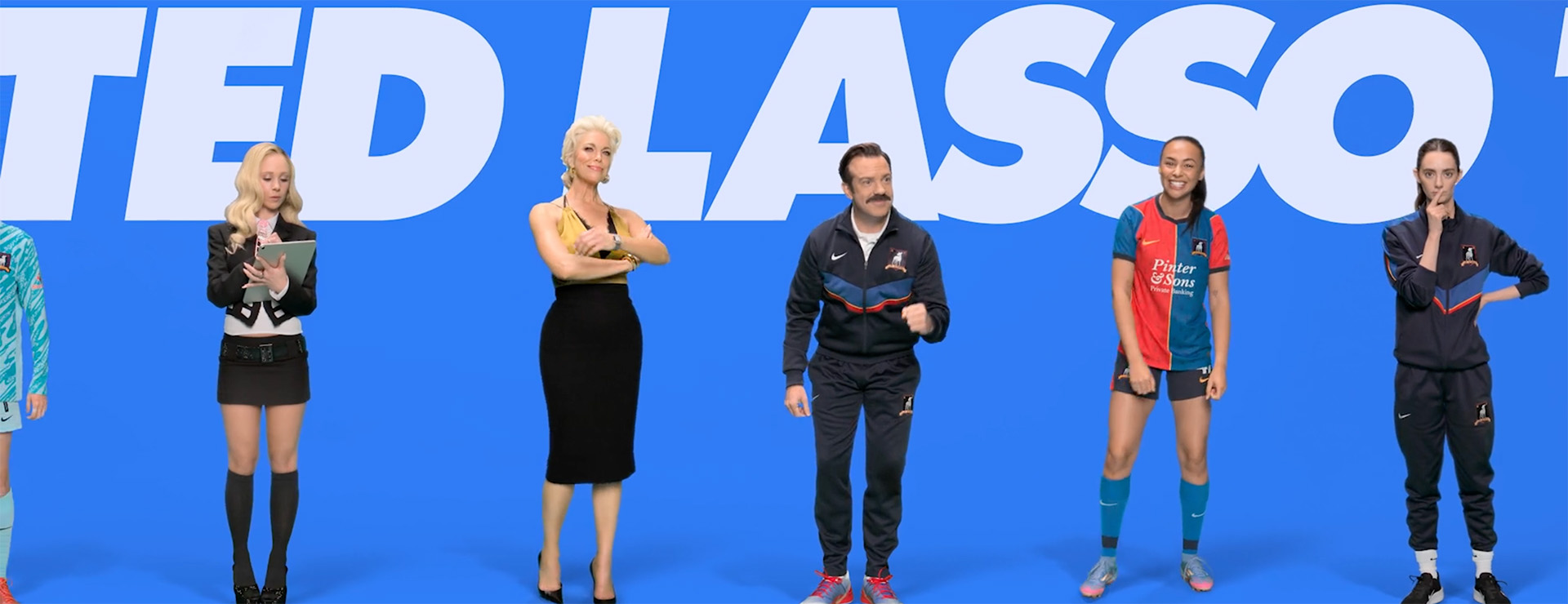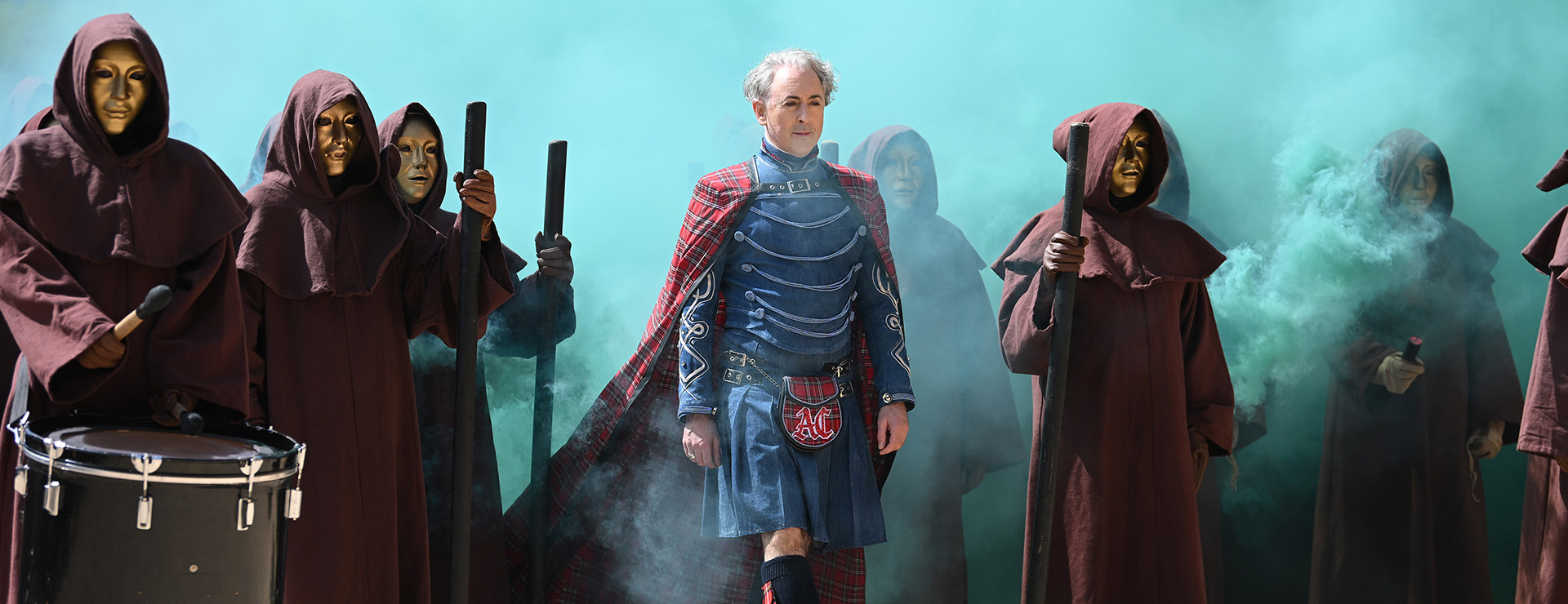
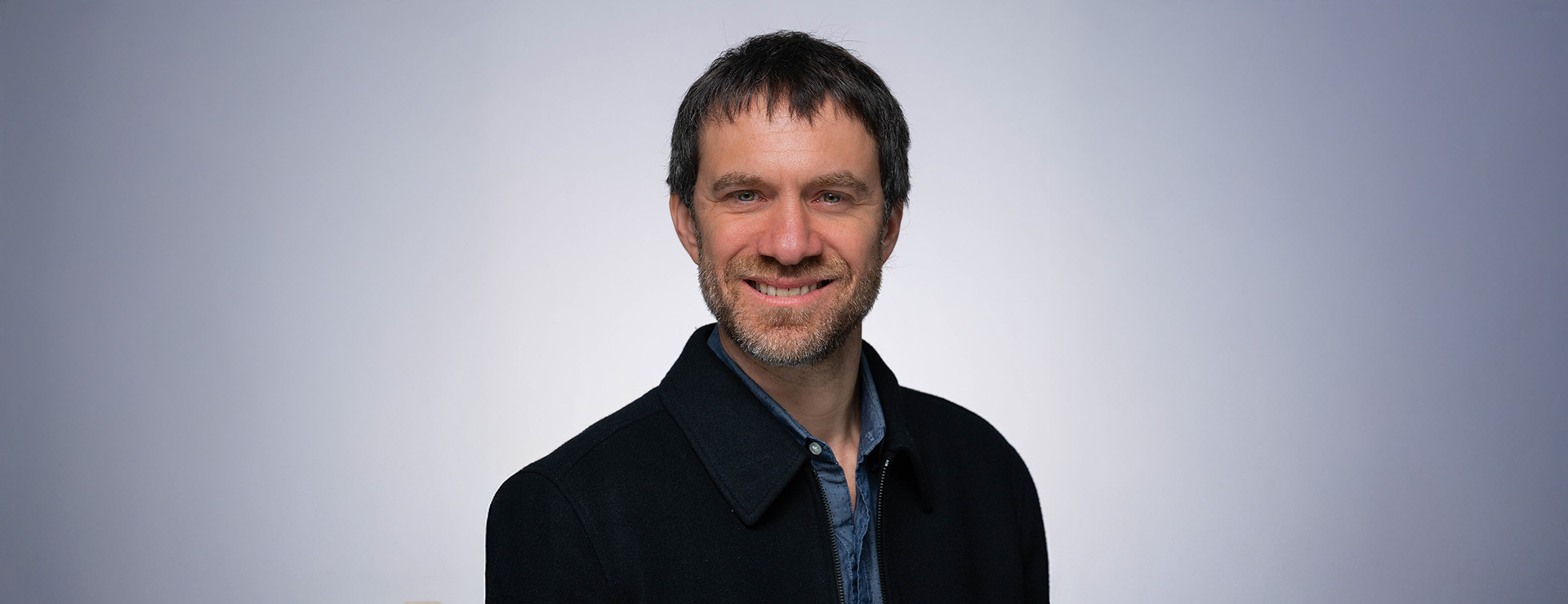
Over the past year, Buenos Aires, Argentina-based Martin Ferdkin poured his creative soul into helping the Global Entertainment Marketing Academy of Arts & Sciences (GEMA), formerly Promax, design and implement an elevated look for its 2025 awards competitions.
Below, Ferdkin – who founded his own studio, Lucido, in 2018 – tells the story of how he designed this past year’s beautiful looks for 11 GEMA competitions that spanned the globe -- including North America, Global, Europe and the U.K. -- and culminated in one golden night in Los Angeles.
Spotlight: What led you to become a motion design artist?
Martin Ferdkin, founder and creative director, Lucido: I actually started in graphic design, that's my foundation. I have always been into branding and visual identity and I have always been in love with cinematic language. When I found out that I could do animated graphic design that was the very best scenario for me. I am always thinking about branding. I also love title sequences, which serve as the translation of the tone and concepts of a movie.
I did my post-graduate work in branding. I even taught branding at the University of Buenos Aires for six years. That really shaped my vision. So broadcast design, entertainment, marketing and title sequences for film and TV series is the perfect place for me. I always joke that I’m like what would result if Saul Bass and Paula Scher from Pentagram had an Argentinian baby.
Half of my career has been spent working in practical effects, half has been in digital. I graduated in 2002 and then in 2003 I did my first course in After Effects because I really wanted to dig into animation. From there, I kept studying. I studied 3D Maya and then I started Cinema 4D. I have been learning ZBrush, Substance, 3D Unreal and other tools. I’ve always been really curious and I like to learn new technology and new techniques and mix them.
The medium of my creative voice is always evolving because technology is evolving so quickly. I’ve also been digging into AI because there is no more world without AI in it.
Spotlight: How are you using AI in your workflow?
Ferdkin: I use it as a powerful tool to convey my creative vision. It provides really quick outputs but it can also be unpredictable and you can’t control your results. It’s great when you’re trying to expand your vision but it doesn’t work when you have to deliver a branding system and you have to control the process so that the voice of the company is there and consistent, coherent and pertinent. I’m just using it as another input of my creative vision, just like I use my perception or my camera or my phone. Right now, I’m experimenting with such design platforms as Comfy and Weavy.
Spotlight: As a creative, where do you see all of this going?
Ferdkin: For me, it has always been the tools that help find the work. Movie directors have their own vision, the way they use light, their specific means of storytelling, everything. They have a lot of skillsets and also a lot of tools that they use to tell their stories. We – both as creatives and as audiences – will always be looking for something authentic. The work really has to call back directly to ourselves.
I used to be deeply into practical graphics. AI is a great tool because I can explore things that even if I don’t create it with my hands, I can see what it looks like in AI. I can try a lot of stuff ahead of time. AI is like having your own lab to experiment in. You can use it to make whatever you want. In that sense, it’s great. I’m excited to use it but I’m worried about how much it will cost in the future.
Identity and emotion are so connected in entertainment. I’m Argentinian and I love soccer and there is so much passion in sports that is irrational. You put so much of yourself into it even though none of it depends on you, it depends on the players. But you still feel like it is yours. It’s identity and it’s emotion. That’s what I always try to capture and to connect with. That sense of identity and motion. When the reactions are more visceral that’s when really great things happen because you can get inside of that content and make it become a part of you.
Lucido has been collaborating with a production company in Los Angeles. Together, we developed the graphic packaging for the premiere of Stranger Things season five. It was really great because I was working on a TV show that I love. When you see your work connected to a wider emotional response, that’s the kind of work I really love. It’s really impactful when you can work on projects that define so many things for so many people.
In entertainment marketing, you are playing with things that people love. That’s something you should always be careful about because everyone is going to watch every trailer, every promo campaign, and you always have to consider how the viewers might feel about those things.
Spotlight: What led you to found Lucido?
Ferdkin: It was the desire to connect these two worlds – strong branding with cinematic vision. I wasn’t able to find something that balanced being supportive of networks as well as brands.
I think growing up in the TV industry and being in entertainment marketing for almost 20 years now, there’s the commercial studio, the graphics studio and the title sequence studio. But I wanted to connect my passions – branding and cinematic vision. I was trying to connect those worlds.
Spotlight: What brought you to GEMA?
Ferdkin: I have been submitting pieces for GEMA since 2008 when I was working at a sports TV channel here in Argentina called TyC Sports. I worked there for seven years. From 2015 until 2018, I worked as a creative director at Superestudio. In 2017, I directed the awards package for Promax as part of Superestudio.
I founded Lucido in 2018. I also had the honor of being a juror last year. So I’ve worked closely with Promax, and now GEMA, for quite a while.
Spotlight: You did so much work for GEMA’s 2025 awards look. What was your approach to the creative?
Ferdkin: I first came to GEMA to develop the 2024 opener. They needed a title sequence for the show. When it was in the Peacock theater in October 2024, I jumped in. That was the academy’s first awards as GEMA.
The Academy was really new. They had a new brand manual with some amazing stuff to play with. They had the logo of the Academy, which is two spotlights that make the shape of an X to remind people of Promax. The X is the symbol of the Academy.
When they asked me to do the open for the awards show, I really went deep into the brand manual and connected with that spirit of the spotlights. I turned that into the concept of the ever- changing landscape of entertainment, which in turn led me to create corridors that were lit up by spotlights and eventually brought us to the GEMA Awards statue. That was my first piece for GEMA as Lucido.
After that, GEMA [President and CEO] Stacy LaCotera came to me again and said they were working on a new statue. This whole year has really been an amazing process of getting the feel of the organization plus the concept of the new statue, focusing on the facets that represent all the facets of entertainment. They needed more than just the branding for the awards. I worked closely with them to really construct the vision of the organization.
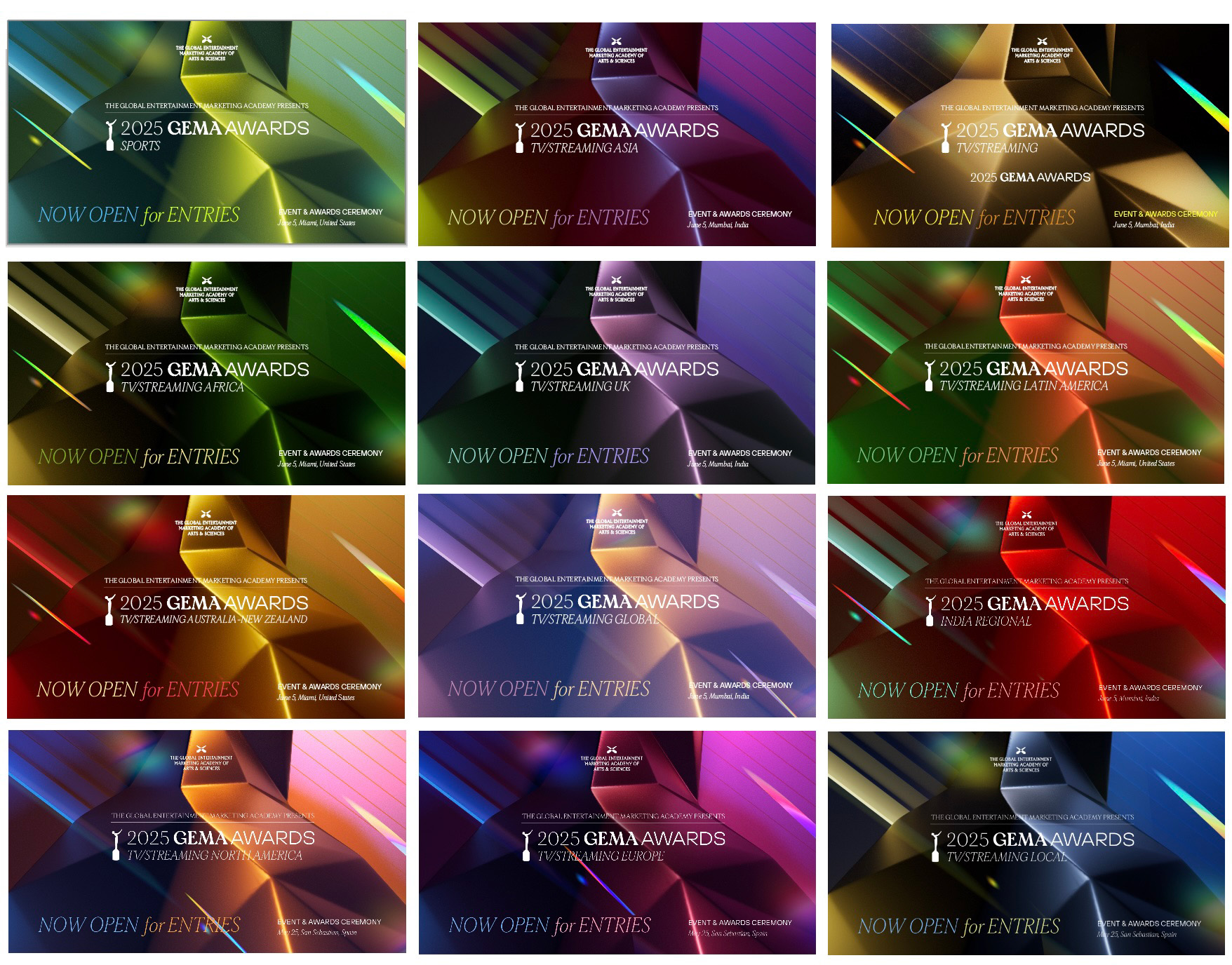
From there, I did the whole branding package for the 11 TV/Streaming regions.
I also did the film for the reveal of the new statue, which served as the open for the 2025 GEMA Awards show as well.
I also proposed the concept for this year: "Moving Forward." GEMA is in a new entertainment landscape and it has a new name and new concept. That’s why conceptually I used spotlights in different color palettes. The palettes are all created out of color spotlights against a faceted background.
These served as sort of Easter eggs to the eventual statue reveal. It was all part of the system and part of the storytelling of the year. The steps that led us into the reveal were just preparing the environment and the tone. I saw the whole year as a title sequence, as a lead up to the GEMA stage.
We really wanted to elevate the organization and the award, putting it next to the industry’s other top awards like the Oscars, Emmys and Grammys.
The GEMA Awards should live in that world. All of the design was planned to elevate the brand as much as possible, especially considering that GEMA is a global organization and you have diversity and creative inputs from all around the world. As the voice of all of these places, the GEMA brand should be elevated, elegant and inspiring.
What would you say was ultimately the benefit of doing this year-long project with GEMA even though it clearly required a lot of time and effort?
For me, it was being in constant contact with the organization, giving it this voice and tone and also connecting with my peers in the organization. An important part for me was the human connection to the GEMA team – they were my cousins, [marketing director] Kayla [Karlsson] and graphic designer Megan [Doughty], they were my family.
The ultimate benefit is for GEMA to be a platform for creatives in the industry to connect. I went in person to both the Europe Awards and the GEMA Awards in Los Angeles in October. It was amazing to see how the people were reacting to the awards packaging. People were really happy about it and they were really happy about the ceremony and being all together again.
This platform really helped me get into more face-to-face contact with all of these organizations and they were able to see Lucido’s work. That was another benefit – to really connect as Lucido to the community and to be seen and to be part of the conversation.
There was a lot of adventure. Being part of the adventure and being part of the GEMA inner family, for me, was the real great benefit of it.